
There is an increase in people looking for Ayurvedic treatment for diabetic neuropathy due to the growing awareness of the long-lasting side effects of conventional drugs, most modern options being just pain relief and not nerve healing.
Diabetic Neuropathy is among the most prevalent complications of diabetes in India, nearly half of the patients suffering from diabetes for a long time are affected by it.
The condition occurs when high blood sugar levels damage the nerves; in turn, this leads to pain, numbness, tingling, burning sensations, and loss of sensation—mainly in the hands and feet. Untreated, it may lead to severe mobility issues and a drastically reduced quality of life.
Ayurveda steps in at this point, as it considers the root of the problem—balancing doshas, correcting metabolism, detoxifying the body, and nourishing the damaged nerves.
What Is Diabetic Neuropathy?
Diabetic neuropathy is a kind of nerve injury that results from uncontrolled or prolonged diabetes. Elevated blood glucose levels for an extended period damage the blood vessels supplying nerves with oxygen and nutrients, thereby causing their gradual death.
The condition typically manifests as:
In the worst case scenario, it may also interfere with the functions of the digestive system, heart, bladder, and sexual organs.
A diabetic ulcer is an open sore that commonly develops on the feet of people with diabetes due to poor blood circulation and nerve damage. Because of reduced sensation, these ulcers are often painless and may go unnoticed in the early stages. High blood sugar levels slow the healing process, increasing the risk of infection and serious complications if not treated on time.
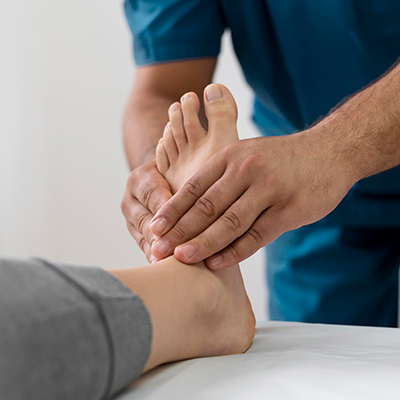
Diabetic foot refers to various foot-related problems caused by diabetes, mainly due to nerve damage and reduced blood flow. It leads to loss of sensation, dryness, cracks, wounds, or color changes in the feet. Even small cuts or blisters can worsen quickly, making regular foot care and medical check-ups essential.
Diabetic Neuropathy Symptoms
Symptoms generally appear gradually and may often go unnoticed at first. The most common signs are:
Prompt diagnosis and treatment are essential in order to avoid nerve damage that cannot be reversed.
Diabetic neuropathy has four main types, which are based on the nerves affected.
It is the most prevalent type and generally impacts the feet and hands. Patients may experience numbness, tingling, burning, or pain. Due to the diminished sensation, minor injuries to the feet may not be noticed and can become serious if not treated properly.
This type involves the nerves that are responsible for the functioning of internal organs. It can lead to difficulties with digestion, altered sweating, light-headedness from changes in blood pressure, urinary problems, and sexual dysfunction.
Proximal neuropathy is mainly concerned with the hips, thighs, or buttocks, typically affecting one side of the body. It may lead to extreme discomfort, muscle weakness, and challenges with walking or standing.
Focal neuropathy results in abrupt pain or weakness localized to one area, like the face, eyes, chest, or abdomen. The condition usually improves by itself gradually over a period of time.
The main reasons for this are:
Moreover, lifestyle factors such as lack of physical activity, smoking, and poor diet are major contributors to the nerve damage process.
According to both modern science and Ayurveda, excess sugar in the blood:
In Ayurvedic terms, Madhumeha (diabetes) causes Vata aggravation, which dries and weakens the nerve tissues (Majja Dhatu), leading to pain, numbness, and degeneration.
Complete reversal depends on:
While advanced nerve damage may not be fully reversible, Ayurvedic treatment can significantly slow progression, relieve symptoms, and promote nerve regeneration, especially when started early.
Ayurveda explains diabetic neuropathy as a complication of Madhumeha, involving:
When Vata becomes imbalanced, it affects nerve conduction, causing pain, dryness, tingling, and numbness.
Conventional treatments mainly focus on:
These provide temporary relief but do not repair nerves and may cause long-term side effects.
Ayurvedic treatment for diabetic neuropathy focuses on:
This holistic approach makes Ayurveda one of the best natural treatments for diabetic neuropathy in India.
Ayurvedic treatment is personalized and root-cause based. At specialized centers, treatment starts with Nadi Parikshan, Prakriti analysis, and metabolic assessment.
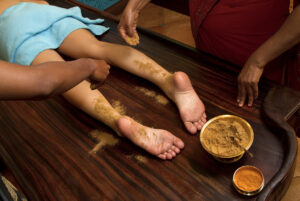
Panchakarma plays a crucial role in neuropathy management by removing toxins and balancing Vata.
Common therapies include:
These therapies improve nerve conduction and provide long-lasting relief.
Ayurvedic herbs help repair nerves and control diabetes naturally.
Commonly used herbs include:
These medicines are safe, non-habit forming, and work gradually at the cellular level.
Diet plays a major role in nerve health.
A proper diet helps control blood sugar and prevents further nerve damage.
Simple daily habits make a big difference:
The best treatment is the one that:
Thus, many patients opt for an Ayurvedic treatment for diabetic neuropathy in India as it promises environmentally friendly and complete cure.
If diabetic neuropathy is neglected the following may happen:
With early Ayurvedic intervention, these complications can be easily avoided and the patient’s life greatly improved.
Diabetic neuropathy can kill nerves and make the daily life of a person very difficult but it can be easily managed with Ayurveda. By taking care of the root cause–pacified doshas, toxins, and weak metabolism—Ayurveda not only provides pain relief but also restores nerve function and keeps the condition from getting worse.
If you are looking for the best Ayurvedic treatment for diabetic neuropathy, then a personalized Ayurvedic approach is the answer. It provides a natural, long-lasting, and side-effect-free solution so that you can comfortably move around and get your nerve health back.
Posted onTrustindex verifies that the original source of the review is Google. Very nice experience & very hard work ThanksPosted onTrustindex verifies that the original source of the review is Google. I have been visiting this centre for the past couple of months and am extremely happy with the way it functions and the treatments I have received. They offer an impressive range of Ayurveda therapies, addressing both bodywork and internal ailments with great care and expertise. The centre is immaculately clean, and the staff is highly efficient, professional, and attentive, making every visit comfortable and reassuring. I would wholeheartedly recommend this place to anyone seeking a natural, holistic approach to healing and overall well-being.Posted onTrustindex verifies that the original source of the review is Google. Therapists are well trained and experienced here and their behaviour is very good. I got therapies for a week from two of them and found them professionally efficient. I got my problems subsided. All staff are well behaved and reply to all queries immediately smilingly. I'll recommend this centre to all those who have problems in eyes and legs.Posted onTrustindex verifies that the original source of the review is Google. Very nice treatment. I am feeling relaxed after treatment. The staff and doctors are very nice.Posted onTrustindex verifies that the original source of the review is Google. Best ayurvedic panchkarma clinic in delhi.great experience doctors and good staff.Posted onTrustindex verifies that the original source of the review is Google. Best Panchkarma Center in Delhi. Had a good experience @mirasaayurvedaPosted onTrustindex verifies that the original source of the review is Google. I was struggling with neck pain and stiffness for a long time. Sitting at work all day just made it worse. I consulted an Ayurvedic doctor at Mirasa Ayurveda . Thanks to the expert care, it eased my neck pain and stiffness, leaving me relaxed, comfortable, and pain-free.Posted onTrustindex verifies that the original source of the review is Google. Did an Abhyanga massage on 26/7. The whole experience was fantastic starting with the elegance of the place, the oils they use, well experienced masseurs, the cleanliness of the place and the well caring staff across Mirasa. Coming back soon for sure.Posted onTrustindex verifies that the original source of the review is Google. Had a really good experience at Mirasa Ayurveda. The therapy was relaxing, the staff was caring, and I left feeling refreshed and lighter. Will definitely come back for another session.Load more
At Mirasa Ayurveda, we don’t just treat conditions—we restore balance and well-being. From pain relief to stress management, our patients have experienced life-changing results through natural Ayurvedic care.
"I had been dealing with sleepless nights and constant anxiety. After just a few Shirodhara sessions at Mirasa Ayurveda, my mind feels calmer and I finally sleep peacefully again."

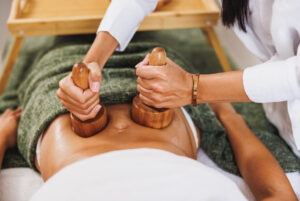
“The pain in my joints used to slow me down every day. Potli massage therapy at Mirasa Ayurveda brought back my mobility and comfort—it’s like warmth and healing in one.”

“My lower back pain was unbearable, especially after long work hours. Kativasti gave me instant relief and long-term comfort. Highly recommend it!”

Night-time Vata aggravation due to less movement and circulation makes nerve pain, burning, and tingling feel more intense. Ayurveda soothing Vata is the way to go for nighttime discomfort reduction.
Certainly. Ayurveda responds superbly to early-stage symptoms like slight tingling or numbness, as nerve damage is still reversible in this early stage.
Yes. Ayurvedic medicines and therapies are mild, non-addictive, and suitable for elderly patients provided they are administered by qualified professionals.
Indeed. Autonomic neuropathy can disrupt digestion, heart rate, sweating, and bladder function. Ayurveda alleviates these disturbances by balancing Vata and strengthening Agni.
Certainly! Better blood flow, higher nerve sensitivity, and correct foot care prescribed in Ayurveda make the chances of getting ulcers and infections much lower.
Definitely. Stress enhances Vata and amplifies nerve sensitivity. Therapeutic techniques like Shirodhara and meditation in Ayurveda are used to soothe the nervous system.
Not really. Treatment is individualized according to Prakriti, severity, age, and lifestyle, thus making it more potent.