Gastro-esophageal Reflux Disease (GERD) is one of the most common digestive disorders seen today due to bad food habits, irregular lifestyles, stress, and anxiety. As we all know, daily eating habits and lifestyle play a key role in maintaining good health, and neglecting them can lead to the development of digestive disorders.
Gastrointestinal problems are of several types, but one of the most common is gastroesophageal reflux disease. With a research-based approach and good results, now people are also opting for GERD treatment in Ayurveda, as conventional medicines often provide only temporary relief. Ayurvedic treatment for gastrointestinal disorders treats the root cause of gastrointestinal disorders.
At Mirasa Ayurveda treating GERD is not done by suppressing acid rather Ayurveda focuses on correcting digestion (Agni), removing toxins (Ama), and balancing the disturbed doshas—mainly Pitta and Vata—to provide long-lasting relief.
What Is GERD Disease?
Gastro-esophagal reflux disease (GERD) is a chronic condition in which acidic stomach contents flow backwards into the oesophagus due to weakness of the lower oesophagal sphincter (LES). This backflow of acid irritates the lining of the food pipe and causes symptoms like:
- Burning sensation in the chest (heartburn)
- Acid reflux
- Sour or bitter taste in the mouth
- Acid and food reflux back into the mouth
- Chest discomfort or pain
- Difficulty in swallowing
- Chronic cough or throat irritation
Unlike occasional acidity, GERD is persistent and recurring. If left untreated, it can lead to complications such as esophagitis, ulcers, strictures, or Barrett’s oesophagus(pre-malignant condition)
Ayurvedic Perspective on GERD
GERD involves not only excess acid but also the upward movement of acid into the food pipe, often accompanied by weakening of the sphincter muscle. In Ayurveda, GERD is explained as Urdhwag Amlapitta, a condition where aggravated acid moves upward instead of following its normal downward path.
According to Ayurveda, GERD is mainly caused by an imbalance of Pitta Dosha, along with disturbances in Vata and Kapha. Poor dietary habits, irregular eating patterns, and unhealthy lifestyles increase stomach acidity and weaken digestive strength.
Ayurveda does not view GERD merely as a mechanical problem of a weak valve in the oesophagus. Instead, it explains that when digestion becomes weak, excess acid is formed. This acid combines with Ama (toxins) and aggravated Pitta. Due to disturbed Vata, the acid moves upward, causing symptoms such as:
- Heartburn
- Sour or bitter belching
- Chest discomfort
- Throat irritation
This abnormal upward movement of acid is known as Urdhwag Amlapitta, which closely resembles GERD. Ayurvedic management focuses on correcting digestion, balancing doshas, and preventing the upward movement of acid rather than just suppressing symptoms.
GERD Disease Symptoms
Many people ignore early signs, assuming it’s just acidity. However, GERD symptoms tend to worsen over time.
Common GERD disease symptoms include:
- Burning sensation in the chest after meals
- Acidic or sour belching
- Nausea or vomiting sensation
- A feeling of food stuck in the throat
- chest pain (often confused with heart issues)
- Bloating and heaviness
- Bad breath
- Dry cough, hoarseness of voice
- Disturbed sleep due to nighttime reflux
If these symptoms occur more than twice a week, it indicates chronic GERD and requires proper treatment.
What Causes GERD?
From an Ayurvedic point of view, what causes GERD includes:
- Excessive intake of spicy, sour, oily foods
- Eating late at night
- Suppressing natural urges
- Mental stress and anxiety
- Smoking and alcohol
- Sedentary lifestyle
- Irregular sleep pattern
- Excess use of painkillers
- Weak digestion (low Agni)
These factors disturb Pitta and Vata doshas, leading to acid reflux and a burning sensation.
Why Do People Prefer Ayurveda for GERD Treatment?
Modern GERD treatment mainly focuses on antacids, H2 blockers, and proton pump inhibitors (PPIs). While they reduce acid temporarily, long-term use may cause side effects like nutrient malabsorption, weak digestion, and dependency.
Ayurvedic treatment for GERD focuses on:
- Correcting digestion
- Removing Ama (toxins)
- Balancing Pitta and Vata
- Healing the digestive tract naturally
- Preventing recurrence
This makes Ayurveda one of the best natural treatments for GERD.
GERD Treatment in Ayurveda – How It Works
Ayurvedic treatment is personalized and depends on body constitution (Prakriti), severity of symptoms, and lifestyle. At Mirasa Ayurveda, treatment begins with detailed assessment and dosha analysis.
1. Detoxification (Panchakarma Therapy)
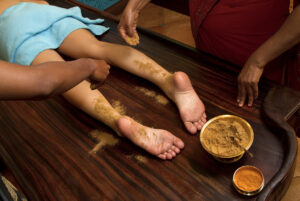
Panchakarma plays a key role in GERD treatment in Ayurveda by eliminating excess Pitta and toxins.
Common therapies include:
- Virechana: Cleansing therapy that removes excess Pitta from liver and intestines
- Takra Dhara: Calms digestion and reduces acidity
- Abhyanga: Oil massage to calm Vata and reduce stress
- Shirodhara: Helpful when GERD is stress-induced
These therapies improve digestion and provide long-term relief.
2. Herbal Medicines
Ayurvedic herbs help heal the digestive tract naturally.
Commonly used herbs include:
- Amla – Natural coolant, reduces acidity
- Yashtimadhu (Licorice) – Protects stomach lining
- Guduchi – Balances Pitta and boosts digestion
- Shatavari – Soothes acid reflux
- Avipattikar Churna – Effective for acidity and heartburn
- Triphala – Improves gut health
These ayurvedic remedies for GERD provide relief without harmful side effects.
Ayurvedic Diet for GERD
Diet plays a crucial role in how to cure GERD naturally.
Foods to Eat:
- Warm, freshly cooked food
- Rice, oats, wheat porridge
- Lauki, tori, pumpkin, carrot
- Coconut water
- Buttermilk (daytime only)
- Ghee in small quantity
- Pomegranate, banana, apple
Foods to Avoid:
- Spicy and fried food
- Tea, coffee, cold drinks
- Tomato, vinegar, pickles
- Chocolate and bakery items
- Alcohol and smoking
- Late-night meals
- Excess onion and garlic
Following the right diet helps prevent acid formation.
Lifestyle Changes for GERD Relief
Small changes can make a big difference:
- Eat meals on time
- Avoid lying down immediately after eating
- Sleep on left side
- Reduce stress through yoga and meditation
- Avoid tight clothing
- Maintain healthy weight
- Walk after meals
How to Cure GERD Permanently?
Many patients ask how to cure GERD permanently. GERD is a chronic condition, but it can be completely controlled and reversed naturally if treated early.
Ayurveda aims to:
- Correct digestion
- Balance Pitta dosha
- Heal the esophagus
- Prevent acid reflux recurrence
With proper treatment, diet, and lifestyle discipline, many patients experience long-term relief without medication dependency.
What Is the Best Treatment for GERD in India?
The best GERD treatment is one that:
- Treats root cause
- Improves digestion
- Has no side effects
- Prevents recurrence
Ayurveda fulfills all these aspects, making it the best natural treatment for GERD in India.
Why Early Ayurvedic Treatment Is Important?
If GERD is ignored, it may lead to:
- Chronic esophagitis
- Ulcers
- Breathing problems
- Sleep disturbances
- Increased cancer risk
Early GERD treatment in Ayurveda can prevent complications and restore digestive health.
NOTE : In GERD cases, doctor will perform a Nadi pariksha to analysis vitiated Vata and Pitta dosha condition.
Conclusion
Gastro-Esophageal Reflux Disease can disturb daily life, but it is completely manageable with Ayurveda. By correcting digestion, removing toxins, balancing doshas, and adopting the right diet and lifestyle, GERD can be controlled naturally. If you are looking for GERD treatment in Ayurveda, Mirasa Ayurveda offers a safe, effective, and long-term solution without side effects.