
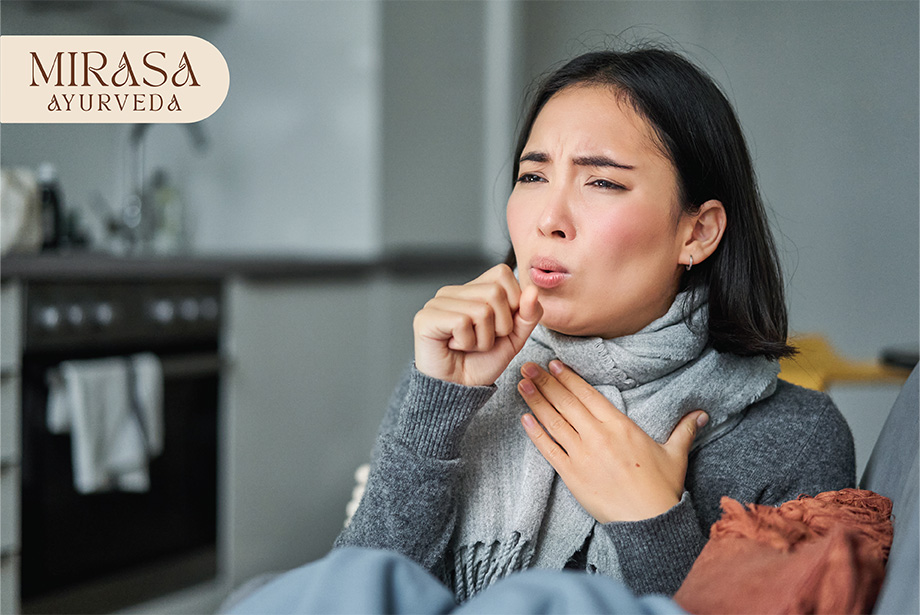
Ayurveda helps to balance Kapha dosha naturally by restoring digestive fire (Agni) and reducing excess heaviness, coldness, and stagnation in the body. At Mirasa Ayurveda, we provide a simple yet effective lifestyle that prevents the accumulation of Ama (toxins). This helps in the smooth functioning of the body channels.
Kapha dosha is one of the three doshas in Ayurveda, emphasizing balance and harmony in the body, mind, and spirit.
Kapha is responsible for providing the body with stability, structure, and lubrication. In Ayurveda, good health depends on the balance of three natural energies in the body—Vata, Pitta, and Kapha.
When the natural energies become imbalanced, doshas emerge. When the kapha dosha is balanced, you experience a sense of grounding, stability, and endurance. However, when it is imbalanced, it can cause a range of health problems, including respiratory disorders, digestive issues, sluggishness, and lethargy.
According to Ayurveda, each person is unique because the balance of the three doshas differs from birth.
A balanced Kapha energy helps keep the body strong and stable, but when it becomes too high, it can cause problems. Through Ayurvedic treatment at Mirasa Ayurveda, we can help you balance Kapha by eating the right foods, engaging in regular exercise, following a healthy daily routine, and using herbal remedies as advised by an Ayurvedic doctor. Keeping Kapha balanced helps maintain good health and a calm, active mind.
It is primarily responsible for the body’s structure, stability, strength, and lubrication. Kapha helps maintain the form and smooth functioning of organs and tissues. Based on its location, Kapha is classified into five types:
These five types collectively support vital organs such as the heart (Hridaya), brain (Mastishk), tongue (Jihva-indriya), gastrointestinal lining, and joints (including Marma points).
Excess Kapha often builds up slowly, and many people ignore the early signs. Common kapha dosha symptoms include:
Many patients with repeated colds, obesity, thyroid imbalance, or joint stiffness show dominant Kapha imbalance.
Kapha dosha is closely linked with our sleep and thoughts. When a person stays awake at night or does not get proper sleep, Kapha usually reduces. But daytime sleep can increase Kapha in the body. Our emotions also impact Kapha. Deep shock, sadness, grief, and negative or depressing thoughts can increase Kapha and disturb the normal working of the body.
Our thinking also plays an important role in Kapha balance. When the mind is filled with dullness, laziness, or negative thoughts (called Tamo guna in Ayurveda), Kapha tends to increase. This can change a person’s behaviour and may lead to strong emotions like overconfidence, aggression, or a desire for power.
Understanding these causes is essential for learning how to reduce kapha in the body. Kapha aggravation usually occurs due to lifestyle and dietary habits, such as:
Balancing Kapha dosha mainly focuses on reducing heaviness, sluggishness, and excess accumulation in the body by improving Agni (the digestive and metabolic fire). According to Ayurveda, Kapha becomes imbalanced due to heavy, oily, cold foods and a sedentary lifestyle, leading to the formation of Ama (undigested toxins) and metabolic disorders
Therefore, to balance kapha, one should choose light, warm, and dry foods rather than heavy, cold ones. Warm, freshly cooked meals with pungent, bitter, and astringent tastes help stimulate digestion and clear accumulated Kapha. Spices such as ginger, black pepper, and garam masala are especially useful for kindling metabolism, while sweet, sour, and salty foods and excess dairy should be minimised.
Lifestyle, along with diet, plays a key role in balancing Kapha dosha. Regular vigorous exercise that induces sweating helps reduce stagnation and boosts metabolism. Along with exercising, you are strongly recommended to follow an early-to-bed and early-to-rise routine and limit overeating.
Warm mustard oil is recommended for massage, and a person with kapha dosha should stay in warm, dry environments to counter kapha’s cold. Strictly adhering to these dietary and lifestyle measures, the metabolism improves, and the risk of obesity, diabetes, and other Kapha-related disorders can be effectively reduced
If Kapha symptoms remain prominent despite making the required lifestyle changes, you should seek guidance from an Ayurvedic doctor. This can help in the management of chronic kapha imbalance and, if not taken proper care of, can lead to conditions like obesity, diabetes, respiratory disorders, joint problems, and hormonal issues.
An experienced Ayurvedic physician can assess:
Kapha is essential for strength and stability, but when it accumulates as a dosha, it slows the body and mind. Understanding what kapha dosha is, recognizing kapha dosha symptoms, and following proper kapha dosha treatment can help restore balance naturally. With the right diet, lifestyle, and Ayurvedic care, it is absolutely possible to learn how to reduce kapha in the body and maintain long-term health by balancing the kapha dosha effectively.