
With more screen time, higher stress, irregular routines, and new health worries after the pandemic, more people are looking for Ayurvedic ways to treat headaches and migraines. Unlike conventional medicine, which often offers only short-term relief, Ayurvedic Treatment for Headache aims to identify and address the root cause for lasting results and a better quality of life.
Headaches and migraines are very common and can affect anyone. Ayurveda takes a holistic, natural approach by considering each person’s body type, dosha balance, digestion, stress, and lifestyle. The goal is not just to stop the pain, but to bring balance back to both body and mind.
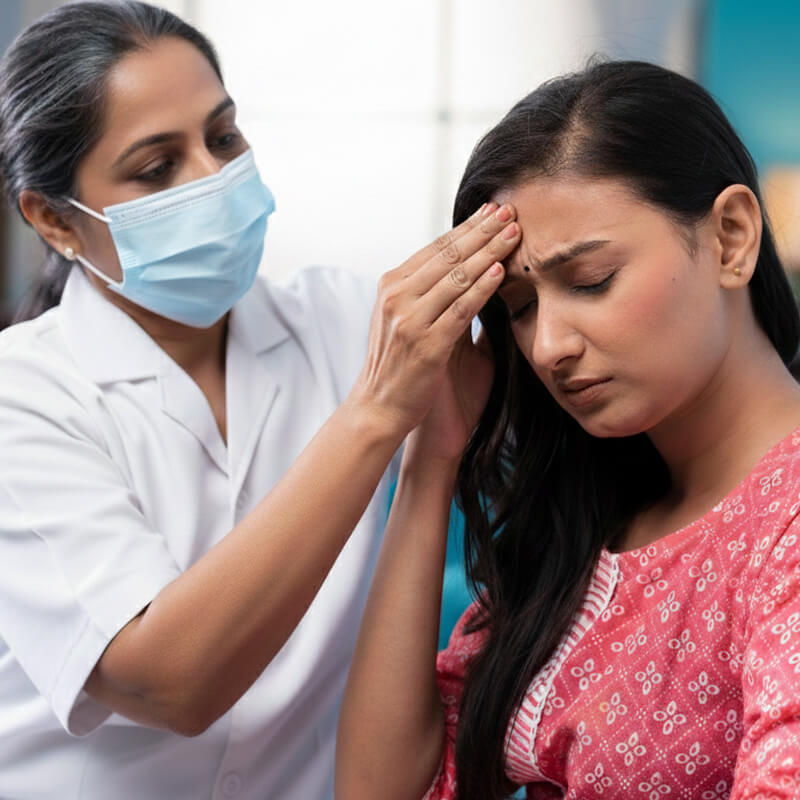
A headache is pain or discomfort in the head, scalp, eyes, temples, or neck. Headaches can occur occasionally or persistently. Some headaches are mild, but in other cases, they can be as serious as migraines.
Migraine is a neurological problem that causes someone to experience frequent and agonizing headaches that are usually on one side of the head. Migraines can be accompanied by:
Migraines are not only headaches but also a complicated neurological condition, which can severely impact daily functions and efficiency.
In Ayurveda, migraine is commonly described as Ardhavabhedaka, meaning “half-head pain.” It is considered a Vata–Pitta dominant disorder.
According to Ayurvedic principles:
When these factors are out of balance, it can cause migraines to keep coming back.
Migraine symptoms may vary from person to person, but commonly include:
In Ayurveda, a headache on the left side is often associated with an imbalance in the Vata dosha. Triggers can include stress, anxiety, irregular routines, lack of sleep, or holding in emotions. Treatment focuses on calming Vata, supporting the nervous system, and boosting circulation.
Ayurveda recognizes different types of headaches based on symptoms and underlying doshic imbalance.
Common Types of Headaches:
Each type of headache has its own cause and needs a specific treatment plan.
Migraines can be triggered by multiple internal and external factors, including:
Ayurveda connects these triggers to imbalances in the Vata and Pitta doshas, as well as to weak digestion (Agni).
Ayurvedic migraine treatment is tailored to each person and focuses on the root cause. The aim is to reduce the frequency, intensity, and duration of attacks, while also improving overall health.
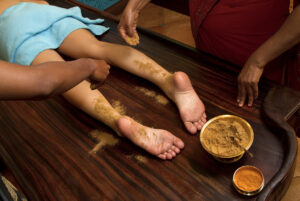
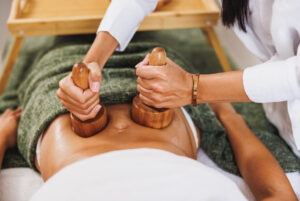
Depending on the condition, therapies may include:
These therapies can boost circulation, relax the mind, and help prevent headaches from coming back.
Ayurvedic formulations are prescribed to:
Medicines are selected according to your symptoms, age, and body type.
Diet plays an important role in migraine management. Ayurveda recommends:
Sticking to a healthy routine helps avoid triggers and keeps your doshas balanced.
Gentle yoga postures, breathing techniques, and meditation help:
Ayurveda does not rely on quick painkillers. Instead, it offers long-term management and prevention. With regular treatment, lifestyle changes, and early care, many people see a big drop in how often and how badly they get headaches.
The best treatment for migraine is one that:
Ayurveda meets all these needs with its holistic approach.
Early Ayurvedic intervention can:
The earlier the treatment starts, the better the long-term outcome.
Headaches and migraines can significantly affect physical, emotional, and professional life. Ayurveda offers a safe, natural, and holistic solution by addressing the root imbalance rather than suppressing symptoms. Through personalized treatment, herbal medicines, Panchakarma therapies, diet correction, and stress management, Ayurvedic treatment for migraine and headache helps restore balance, reduce recurrence, and improve overall quality of life.
Posted onTrustindex verifies that the original source of the review is Google. I had a very good experience at this clinic. The doctors are highly experienced and polite.Posted onTrustindex verifies that the original source of the review is Google. Therapists are well trained and experienced here and their behaviour is very good. I got therapies for a week from two of them and found them professionally efficient. I got my problems subsided. All staff are well behaved and reply to all queries immediately smilingly. I'll recommend this centre to all those who have problems in eyes and legs.Posted onTrustindex verifies that the original source of the review is Google. Very nice treatment. I am feeling relaxed after treatment. The staff and doctors are very nice.Posted onTrustindex verifies that the original source of the review is Google. Best ayurvedic panchkarma clinic in delhi.great experience doctors and good staff.Posted onTrustindex verifies that the original source of the review is Google. Best Panchkarma Center in Delhi. Had a good experience @mirasaayurvedaPosted onTrustindex verifies that the original source of the review is Google. I was struggling with neck pain and stiffness for a long time. Sitting at work all day just made it worse. I consulted an Ayurvedic doctor at Mirasa Ayurveda . Thanks to the expert care, it eased my neck pain and stiffness, leaving me relaxed, comfortable, and pain-free.Posted onTrustindex verifies that the original source of the review is Google. Did an Abhyanga massage on 26/7. The whole experience was fantastic starting with the elegance of the place, the oils they use, well experienced masseurs, the cleanliness of the place and the well caring staff across Mirasa. Coming back soon for sure.Posted onTrustindex verifies that the original source of the review is Google. Had a really good experience at Mirasa Ayurveda. The therapy was relaxing, the staff was caring, and I left feeling refreshed and lighter. Will definitely come back for another session.Load more
At Mirasa Ayurveda, we don’t just treat conditions—we restore balance and well-being. From pain relief to stress management, our patients have experienced life-changing results through natural Ayurvedic care.
"I had been dealing with sleepless nights and constant anxiety. After just a few Shirodhara sessions at Mirasa Ayurveda, my mind feels calmer and I finally sleep peacefully again."

“The pain in my joints used to slow me down every day. Potli massage therapy at Mirasa Ayurveda brought back my mobility and comfort—it’s like warmth and healing in one.”

“My lower back pain was unbearable, especially after long work hours. Kativasti gave me instant relief and long-term comfort. Highly recommend it!”

Ayurveda focuses on long-term management and prevention. While it may not promise an overnight cure, it significantly reduces frequency, severity, and dependency on painkillers.
Yes. When prescribed by a qualified Ayurvedic doctor, treatments are natural, non-habit-forming, and suitable for long-term use.
Improvement varies by individual. Some notice relief within weeks, while chronic cases require consistent treatment over months.
Yes. Treatment is customized based on dosha involvement, with special focus on Vata imbalance in left-sided headaches.
Recurring migraines are often due to unresolved dosha imbalance, poor digestion, stress, and lifestyle irregularities.
In Ayurveda, the treatment of migraine focuses on correcting the root cause by balancing the disturbed Doshas. The approach usually includes personalized Dosha-balancing therapies, supportive herbal formulations, and proper dietary regulation to avoid trigger foods. Equal importance is given to stress management through lifestyle changes, relaxation techniques, and adequate rest.