

The growing trust in Ayurveda has led many people to search for multiple sclerosis treatment in Ayurveda, especially when conventional treatments mainly focus on symptom control. In India, it is estimated that roughly 1.5 lakh to 2 lakh people are living with MS, and the condition appears to be more frequently diagnosed now due to better awareness and improved access to neurology-based doctors.
Although MS is still considered relatively less common in India compared to many Western countries, its impact on young adults—especially women aged around 20–40 years—makes early detection and supportive treatments important for maintaining quality of life.
Multiple sclerosis (MS) is a chronic central nervous system disease that affects the brain, spinal cord, and nerves. It is considered one of the most serious nervous system diseases and can affect young adults as well as older individuals. The condition often interferes with daily life due to weakness, numbness, balance issues, vision problems, and fatigue.
This is where Mirasa Ayurveda plays an important role. At Mirasa, doctors first study the patient’s dosha imbalance and nervous system health. Based on this, Ayurvedic medicines and therapies are planned to address the root cause of the disease rather than only managing outward symptoms. Tmore natural and sustainable.
According to Ayurveda, MS can be understood as a disorder caused by weakened digestion, toxin accumulation, and an imbalance of the Vata dosha, affecting the nervous system. With the right Ayurvedic approach, MS symptoms can be controlled, progression can be slowed, and quality of life can be improved naturally.
Multiple sclerosis is a long-term autoimmune condition where the body’s immune system mistakenly attacks the protective covering of nerves, called myelin. This damage disrupts the flow of messages between the brain and the rest of the body.
As a result, people may experience:
MS is a central nervous system disease that can affect different parts of the body at different times. Early diagnosis and treatment are important to reduce nerve damage and disability.
From an Ayurvedic point of view, Multiple Sclerosis develops due to long-standing imbalance in Vata dosha along with weak digestive fire (Agni). Poor digestion leads to the formation of toxins (Ama), which circulate in the body and affect the nerves and brain.
Ayurveda explains that wrong food habits, irregular lifestyle, mental stress, lack of rest, and ignoring body signals are major multiple sclerosis causes. Over time, these factors weaken the nervous system and disturb normal nerve functioning.
When Ama blocks the nerve channels, it leads to symptoms such as:
This Ayurvedic understanding helps in designing a root-level treatment plan for MS.
The early stages of MS are often ignored, as symptoms may appear mild or come and go. Recognizing multiple sclerosis’ early symptoms is important to prevent long-term nerve damage.
Common multiple sclerosis symptoms include:
These clinical features of multiple sclerosis may worsen over time if not treated properly. If symptoms last for more than a few weeks, a medical evaluation is necessary.
Modern multiple sclerosis treatment mainly focuses on slowing disease progression and managing flare-ups. While helpful, long-term use of medications may cause side effects and does not always improve overall nerve strength.
Ayurvedic treatment for MS focuses on:
This holistic approach makes Ayurvedic treatment for multiple sclerosis a preferred option for many patients in India.
Ayurvedic treatment starts by looking at the person as a whole, rather than focusing only on the illness. At Mirasa Ayurveda, doctors closely examine the patient’s nervous system, dosha condition, and Multiple Sclerosis stage before beginning care. This thorough assessment allows them to design a treatment plan that matches the individual’s body needs and health condition
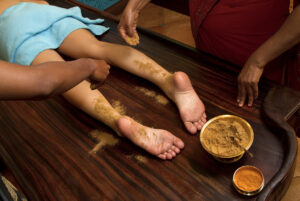
Detoxification is an important part of Ayurvedic management of Multiple Sclerosis. Panchakarma therapies help clear harmful waste products that affect the nervous system and block proper nerve signals. By removing these toxins, the body becomes more responsive to treatment.
Commonly used therapies include:
Together, these therapies help improve movement, reduce discomfort, and slow disease progression.
Ayurvedic medicines are used to nourish nerves, reduce inflammation, and strengthen the body from within. These medicines are natural and carefully selected based on the patient’s condition.
Commonly prescribed herbs include:
All medications are given under medical supervision to ensure safety and effectiveness.
Food has a big impact on how well MS symptoms are managed. Ayurveda suggests eating simple foods that are easy for the body to digest and good for nerve health. When digestion improves, the body feels lighter, and energy levels get better.
People are usually advised to eat warm, freshly cooked home food. Simple meals like rice and moong dal are gentle on the stomach. A small amount of ghee helps digestion and nourishes the body. Vegetables such as bottle gourd, carrot, and pumpkin are light and healthy, while fruits like apples, papayas, and pomegranates support overall strength and digestion.
Following this diet helps keep inflammation under control and supports the nervous system.
Daily habits play an important role in recovery and symptom control. Simple lifestyle changes can greatly support treatment results.
These simple habits help keep the nerves calm and support better physical and mental health.
The most effective treatment is one that improves quality of life while being safe for long-term use. An ideal approach should:
Because of this balanced approach, many patients choose multiple sclerosis treatment in Ayurveda as long-term supportive care in India.
Multiple Sclerosis is a long-term health problem, and in most cases, it cannot be completely cured. Still, Ayurveda helps people live better by reducing symptoms and making daily activities easier. When the condition is understood early and treated properly, many problems can be slowed down or avoided. If the early signs of MS are ignored, it may cause lasting nerve damage, trouble walking, vision issues, or even disability. Beginning Ayurvedic treatment at an early stage helps keep the disease under control and supports nerve health naturally.
Multiple Sclerosis can make life difficult, but with proper Ayurvedic care, it can be handled in a natural way. Treatments that cleanse the body, along with herbal medicines, the right food, and simple daily habits, help support the nerves and make everyday life easier. When these steps are followed regularly, overall health and comfort improve. For those seeking a natural and long-term option for multiple sclerosis treatment in India, Mirasa Ayurveda provides a safe and complete approach based on traditional Ayurvedic knowledge.
Posted onTrustindex verifies that the original source of the review is Google. Very nice experience & very hard work ThanksPosted onTrustindex verifies that the original source of the review is Google. I have been visiting this centre for the past couple of months and am extremely happy with the way it functions and the treatments I have received. They offer an impressive range of Ayurveda therapies, addressing both bodywork and internal ailments with great care and expertise. The centre is immaculately clean, and the staff is highly efficient, professional, and attentive, making every visit comfortable and reassuring. I would wholeheartedly recommend this place to anyone seeking a natural, holistic approach to healing and overall well-being.Posted onTrustindex verifies that the original source of the review is Google. Therapists are well trained and experienced here and their behaviour is very good. I got therapies for a week from two of them and found them professionally efficient. I got my problems subsided. All staff are well behaved and reply to all queries immediately smilingly. I'll recommend this centre to all those who have problems in eyes and legs.Posted onTrustindex verifies that the original source of the review is Google. Very nice treatment. I am feeling relaxed after treatment. The staff and doctors are very nice.Posted onTrustindex verifies that the original source of the review is Google. Best ayurvedic panchkarma clinic in delhi.great experience doctors and good staff.Posted onTrustindex verifies that the original source of the review is Google. Best Panchkarma Center in Delhi. Had a good experience @mirasaayurvedaPosted onTrustindex verifies that the original source of the review is Google. I was struggling with neck pain and stiffness for a long time. Sitting at work all day just made it worse. I consulted an Ayurvedic doctor at Mirasa Ayurveda . Thanks to the expert care, it eased my neck pain and stiffness, leaving me relaxed, comfortable, and pain-free.Posted onTrustindex verifies that the original source of the review is Google. Did an Abhyanga massage on 26/7. The whole experience was fantastic starting with the elegance of the place, the oils they use, well experienced masseurs, the cleanliness of the place and the well caring staff across Mirasa. Coming back soon for sure.Posted onTrustindex verifies that the original source of the review is Google. Had a really good experience at Mirasa Ayurveda. The therapy was relaxing, the staff was caring, and I left feeling refreshed and lighter. Will definitely come back for another session.Load more
At Mirasa Ayurveda, we don’t just treat conditions—we restore balance and well-being. From pain relief to stress management, our patients have experienced life-changing results through natural Ayurvedic care.
"I had been dealing with sleepless nights and constant anxiety. After just a few Shirodhara sessions at Mirasa Ayurveda, my mind feels calmer and I finally sleep peacefully again."

“The pain in my joints used to slow me down every day. Potli massage therapy at Mirasa Ayurveda brought back my mobility and comfort—it’s like warmth and healing in one.”

“My lower back pain was unbearable, especially after long work hours. Kativasti gave me instant relief and long-term comfort. Highly recommend it!”

Multiple Sclerosis, or MS, is a long-term disease that affects the brain, spinal cord, and nerves. It happens when the body’s immune system mistakenly damages the protective layer of the nerves. This damage slows down or blocks nerve signals between the brain and the body. As a result, a person may experience weakness, numbness, balance problems, or vision issues. MS can affect daily activities and quality of life if not managed properly.
Early symptoms of MS can be mild and may come and go, which is why many people ignore them. Common early signs include tingling or numbness in the hands or legs, unusual tiredness, blurred vision, and difficulty in balance. Some people may also feel muscle weakness or stiffness. These symptoms may last for days or weeks. Early diagnosis helps in better control of the condition.
The exact cause of MS is still not clearly known. It is believed to be an autoimmune condition in which the body mistakenly attacks its own nerves. Factors such as weak immunity, infections, stress, lack of sunlight, and genetic predisposition may play a role. Lifestyle habits and environmental factors may also trigger the disease. MS is not contagious and does not spread from person to person.
Multiple Sclerosis is a long-lasting illness, so it usually cannot be cured fully. However, with proper treatment and regular care, the symptoms can be controlled. Many people with MS are able to do their daily work and live on their own by following medical advice and healthy habits. Starting treatment early helps stop the problem from getting worse. Regular doctor visits help keep the condition stable over time.
Ayurveda looks at Multiple Sclerosis not just as a disease but as a signal that the body needs healing from within. Instead of only chasing symptoms, it works to restore balance to the nerves, digestion, and mind together. At Mirasa, we have various therapies, natural medicines, comforting foods, and simple daily routines designed to support the body and provide care at a root-level approach. This is why many choose Ayurveda for long-term support and hope.
Starting treatment early helps protect the nerves from lasting damage. If MS symptoms are ignored, they can slowly turn into serious problems like difficulty in walking, poor vision, or permanent weakness. Early care helps slow the disease and better control symptoms. It also makes the body respond better to treatment. Timely treatment allows people to manage daily life more comfortably and stay active longer.