
PCOD, or Polycystic Ovarian Disease, is common in many women today, causing symptoms like irregular periods, weight gain, acne, and unwanted hair growth. In Ayurveda, PCOD is seen as an imbalance of Vata and Kapha doshas, often worsened by metabolic disturbances and lifestyle factors such as stress, poor diet, and lack of exercise.
Ayurvedic treatment for PCOD works by removing toxins from the body, improving digestion, balancing hormones, and helping the ovaries release eggs regularly. The treatment is customized for each woman based on her body type, symptoms, and the causes of her problem, making it a natural and effective way to manage PCOD.
PCOD Kya Hota hai is a very common question asked by females. In simple terms, PCOD is a complex endocrine and gynaecological disorder — a metabolic and hormonal condition — characterised by the formation of ovarian cysts or multiple immature follicles in the ovaries, chronic anovulation where the ovaries do not release mature eggs regularly, and significant hormonal imbalance that disrupts menstrual cycles, ovulation, fertility, and overall metabolic health.
PCOD is not just a fertility disorder; Ayurveda explains it as a more profound systemic imbalance involving the Doshas, Dhatus, and Srotas. The primary disturbance occurs in Kapha and Vata, and is strongly influenced by metabolic and lifestyle factors.
In PCOD cases, Kapha aggravation causes heaviness, stagnation, and blockage in the reproductive channels (Artavaha Srotas). These blockages then disturb Vata, especially Apana Vata, which disrupts ovarian functions such as follicle maturation, ovulation, and menstrual rhythm.
When this imbalance persists, it affects the essential dhatus such as Rasa, Rakta, Meda, and Artava. When these tissues fail to transform properly, it leads to hormonal disturbances, faulty ovulation, and accumulation within the ovaries, which appears as cyst formation.
Along with this, problems in metabolism also play an important role. When digestion becomes weak, the body forms toxins and the tissues don’t get proper nourishment. Because of this, the reproductive system becomes weak, the ovaries can’t mature eggs properly, and periods become irregular. .
Many women do not know they have PCOD until symptoms become clear. Here are some Ayurvedic Symptoms of PCOD and in hindi we term it as PCOD ke lakshan
These signs help doctors decide the correct PCOD symptoms and treatment plan.
PCOD does not happen because of one single reason. Ayurveda explains that several factors together disturb the body’s natural balance:
Knowing pcod kaise hota hai helps in choosing the best treatment for PCOD.
Ayurveda believes that every woman’s body is different. So the Ayurvedic treatment for PCOD is personalized. Since PCOD is seen as a complex imbalance of Dosha (mainly Kapha + Vata), Dhatu and Srotas — treatment aims to restore dosha balance, clear blockages (Srotoshuddhi), revitalize dhatu formation (especially Artava / reproductive tissues), and normalize ovulation/menstrual cycle
PCOD problem Treatment works on the root cause. It balances hormones, cleans toxins, improves digestion, and corrects the menstrual cycle. PCOD problems could be easily checked by correcting lifestyle, food habits, stress, and hormone balance. When these basics improve, the body naturally starts healing. Regular exercise, proper sleep, mindful eating, and stress-free routines support the ovaries to work normally again. With consistent care and the right Ayurvedic approach, most women can manage PCOD and bring their cycles back on track.
1. Detoxification (Shodhana Therapy)
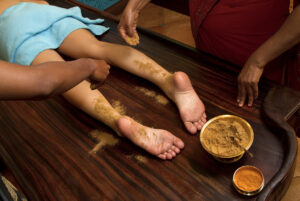
This removes toxins (Ama) that block the ovaries. Panchakarma treatments like Virechana, Basti, and Nasya are used.
Cut down on sugar, oily snacks, cold drinks, and too much dairy. You should consume fresh fruits, whole grains, vegetables, and homemade meals. This keeps your digestion and hormones in better balance.
Just 30–40 minutes of walking or light exercise each day can make a big difference. It helps your hormones stay balanced and improves overall metabolism.
Practices like yoga, meditation, or even slow, deep breathing calm the mind and reduce stress hormones, which often worsen PCOD.
This helps in improving blood flow to the ovaries.This is why people say that PCOD Ayurvedic Treatment is the most natural and safe way to heal.
Ayurveda does not look at PCOD as just one issue — it studies the whole body, mind, and daily lifestyle. This holistic approach is what makes it one of the best Ayurvedic treatments for PCOD. By correcting internal imbalance and improving overall health, Ayurveda helps women recover naturally.
Benefits include:
Ayurveda focuses on treating the root cause, not just the symptoms.
All these simple remedies work well along with Ayurvedic treatment for PCOD.
A proper diet enhances the effectiveness of PCOD treatment.
Conclusion
PCOD is not just a hormonal or reproductive issue—it is a whole-body imbalance that affects a woman’s health, energy, and daily life. Ayurveda offers a gentle, natural, and effective way to manage PCOD. Small lifestyle changes, when combined with Ayurvedic guidance, can help regulate periods, support fertility, reduce cyst formation, and bring long-term balance to the body. This is why Ayurveda is trusted as one of the most holistic and safe approaches for PCOD treatment.
Posted onTrustindex verifies that the original source of the review is Google. Very nice experience & very hard work ThanksPosted onTrustindex verifies that the original source of the review is Google. I have been visiting this centre for the past couple of months and am extremely happy with the way it functions and the treatments I have received. They offer an impressive range of Ayurveda therapies, addressing both bodywork and internal ailments with great care and expertise. The centre is immaculately clean, and the staff is highly efficient, professional, and attentive, making every visit comfortable and reassuring. I would wholeheartedly recommend this place to anyone seeking a natural, holistic approach to healing and overall well-being.Posted onTrustindex verifies that the original source of the review is Google. Therapists are well trained and experienced here and their behaviour is very good. I got therapies for a week from two of them and found them professionally efficient. I got my problems subsided. All staff are well behaved and reply to all queries immediately smilingly. I'll recommend this centre to all those who have problems in eyes and legs.Posted onTrustindex verifies that the original source of the review is Google. Very nice treatment. I am feeling relaxed after treatment. The staff and doctors are very nice.Posted onTrustindex verifies that the original source of the review is Google. Best ayurvedic panchkarma clinic in delhi.great experience doctors and good staff.Posted onTrustindex verifies that the original source of the review is Google. Best Panchkarma Center in Delhi. Had a good experience @mirasaayurvedaPosted onTrustindex verifies that the original source of the review is Google. I was struggling with neck pain and stiffness for a long time. Sitting at work all day just made it worse. I consulted an Ayurvedic doctor at Mirasa Ayurveda . Thanks to the expert care, it eased my neck pain and stiffness, leaving me relaxed, comfortable, and pain-free.Posted onTrustindex verifies that the original source of the review is Google. Did an Abhyanga massage on 26/7. The whole experience was fantastic starting with the elegance of the place, the oils they use, well experienced masseurs, the cleanliness of the place and the well caring staff across Mirasa. Coming back soon for sure.Posted onTrustindex verifies that the original source of the review is Google. Had a really good experience at Mirasa Ayurveda. The therapy was relaxing, the staff was caring, and I left feeling refreshed and lighter. Will definitely come back for another session.Load more
At Mirasa Ayurveda, we don’t just treat conditions—we restore balance and well-being. From pain relief to stress management, our patients have experienced life-changing results through natural Ayurvedic care.
"I had been dealing with sleepless nights and constant anxiety. After just a few Shirodhara sessions at Mirasa Ayurveda, my mind feels calmer and I finally sleep peacefully again."

“The pain in my joints used to slow me down every day. Potli massage therapy at Mirasa Ayurveda brought back my mobility and comfort—it’s like warmth and healing in one.”

“My lower back pain was unbearable, especially after long work hours. Kativasti gave me instant relief and long-term comfort. Highly recommend it!”

PCOD is a condition where the ovaries start forming many small cysts because the hormones become imbalanced. This imbalance affects the menstrual cycle, causing irregular periods. Along with this, common issues like weight gain, acne, and mood changes also appear.
PCOD mainly develops due to unhealthy lifestyle habits such as high stress, frequent junk food intake, and lack of exercise. Sleeping late and excessive screen time also disturb the hormonal system. When hormones become unbalanced, the ovaries cannot function properly, which leads to PCOD.
The most common symptom of PCOD is irregular periods or problems with ovulation. Many girls experience acne, weight gain, unwanted facial hair, mood swings, and hair fall. Some women may also face difficulty in getting pregnant because the hormones do not work in a normal rhythm.
Treatment for PCOD usually begins with lifestyle changes such as eating healthy and exercising regularly. Ayurveda treats PCOD naturally by balancing hormones and reducing toxins from the body. Along with proper sleep and stress management, Ayurvedic medicines help provide long-term relief.
To manage PCOD permanently, maintaining a healthy diet and lifestyle is most important. Reducing stress, exercising daily, and sleeping on time help keep hormones stable. Ayurvedic treatment works on the root cause of PCOD and supports long-lasting improvement.